Where to Begin Your Search for TRT Replacement Therapy Near Me
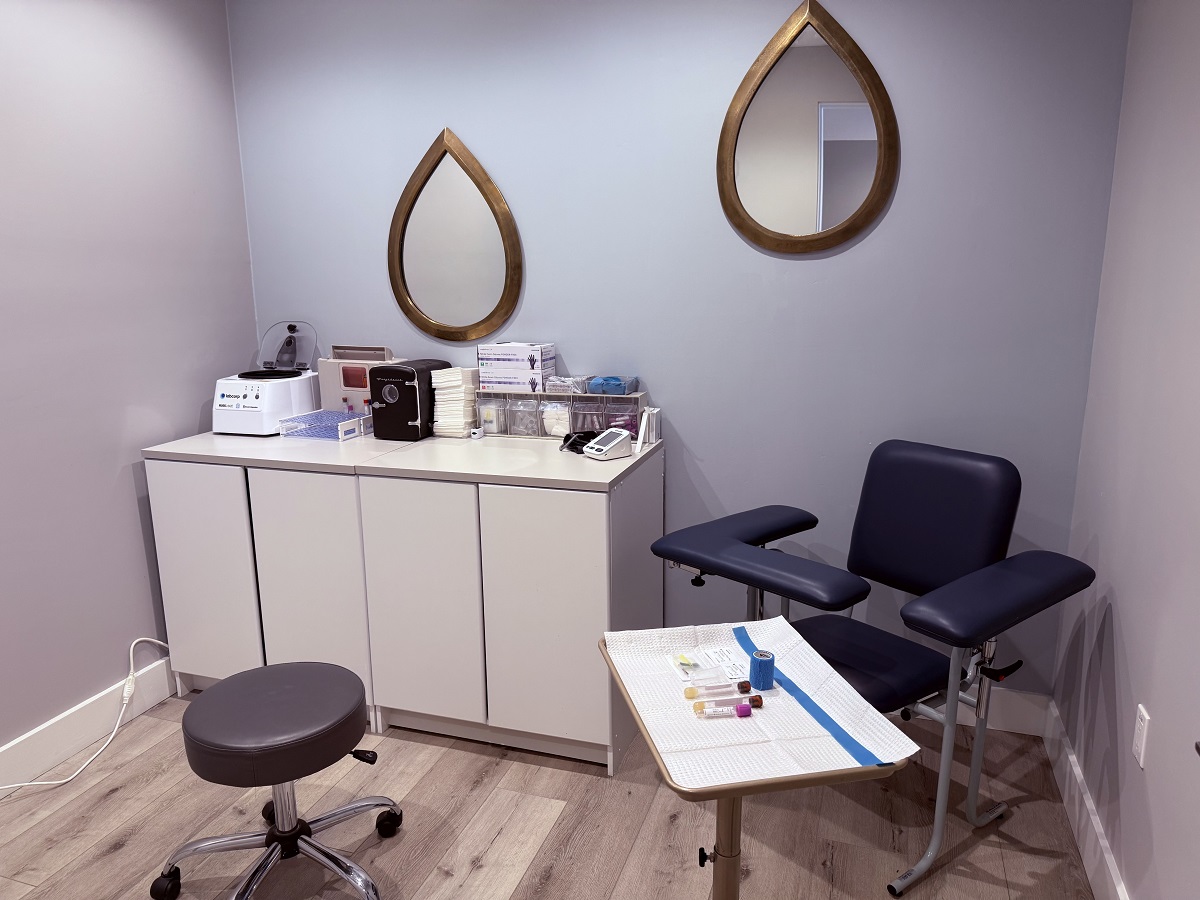
Searching for Trt replacement therapy near me usually starts with a symptom, not a treatment plan. A man notices his energy has dropped off for months. His workouts feel flat. Sleep is worse, mood is shorter, sex drive is lower, and recovery takes longer than it used to. He types a phrase into Google because he wants an answer that feels close, practical, and immediate.
That search can bring up everything from board-certified physicians to glossy hormone spas, med spas, national telehealth brands, fitness influencers, and clinics that promise dramatic transformations in a matter of weeks. The problem is not finding options. The problem is sorting good medical care from aggressive marketing.
TRT, short for testosterone replacement therapy, can be life-changing for the right patient. It can also be mishandled. Low testosterone symptoms overlap with sleep apnea, depression, thyroid disease, chronic stress, obesity, medication side effects, overtraining, and poor sleep habits. If the first clinic you find treats every tired 38-year-old like an obvious testosterone candidate, that is not a sign of efficiency. It is a warning sign.
The best place to begin is not with the nearest ad. It is with a clear understanding of what competent TRT care actually looks like.
Start with the right question, not the nearest clinic
When people search for nearby care, they often assume location is the main filter. With testosterone therapy, it should not be. Convenience matters, especially if your treatment plan involves office visits or routine lab work, but quality matters more.
A strong TRT provider does three things well. First, they confirm whether you truly have low testosterone, rather than treating symptoms alone. Second, they investigate why your levels may be low. Third, they build a treatment plan that includes monitoring, dose adjustment, and side effect management, not just a prescription.
In real practice, this means your first appointment should feel more like an evaluation than a sales meeting. Expect questions about sleep, alcohol intake, stress, fertility goals, medications, weight changes, exercise habits, blood pressure, libido, erectile function, and prior lab work. If a clinic skips over those basics and moves straight to pricing packages, that tells you a lot.
A nearby option is useful only if it offers actual medical judgment.
What a proper TRT workup usually includes
Testosterone is not diagnosed from one symptom or one rushed afternoon lab. Levels can fluctuate. Sleep loss alone can affect results. So can illness, calorie restriction, and certain medications. That is why responsible clinics usually ask for more than a single number.
Most experienced clinicians want morning testosterone testing, often on more than one occasion, because testosterone tends to run highest earlier in the day. They may also look at free testosterone, sex hormone-binding globulin, estradiol, complete blood count, comprehensive metabolic markers, PSA in appropriate patients, and sometimes LH and FSH to understand whether the issue may be testicular or pituitary in origin.
That workup matters. I have seen men arrive convinced they needed TRT, only to find that the bigger issue was untreated sleep apnea. I have also seen men with borderline numbers improve meaningfully after reducing heavy alcohol intake, dropping visceral fat, or correcting severe sleep debt. On the other hand, I have seen men with textbook symptoms and repeatedly low labs who did very well once therapy was started and monitored carefully. The point is simple: good care does not assume. It verifies.
If your search for Trt replacement therapy near me leads to a clinic that advertises same-day treatment without meaningful lab review, take a step back.
The difference between an endocrinologist, urologist, primary care doctor, and TRT clinic
Patients often ask which type of provider is best. The honest answer is that competence matters more than specialty title, but the setting can shape the experience.
An endocrinologist may be especially helpful when the picture is medically complex, such as pituitary concerns, thyroid disease, diabetes, unexplained hormone disruption, or unusual lab patterns. A urologist may be a strong fit when Trt replacement therapy near me sexual health, prostate questions, or male reproductive issues sit closer to the center of the case. A primary care physician can be excellent if they are comfortable evaluating and managing testosterone deficiency properly. Some are. Some are not. TRT clinics vary widely. The good ones offer focused expertise and close follow-up. The weaker ones operate like subscription businesses wrapped in medical language.
A man in his late forties once described his experience to me this way: his local primary care physician acknowledged his symptoms but felt uncomfortable managing TRT beyond basic testing. He then found a reputable urology practice that handled hormone therapy regularly. That middle path worked well because he got specialist-level oversight without stepping into a purely commercial clinic environment.
This is why local search results need a second layer of scrutiny. Do not ask only, “Who is nearby?” Ask, “Who here treats this carefully and often?”
Local clinic or telemedicine, what actually works better?
This decision is less obvious than it used to be. Years ago, local care had a clear advantage. Today, telemedicine can be appropriate for some patients, especially if the provider uses reliable lab partners, requires regular monitoring, and maintains sensible prescribing standards.
Still, local care offers a few practical benefits that matter. It is easier to get hands-on teaching if you are considering injections. It is often easier to address side effects quickly. A local clinician can also coordinate more smoothly with your primary care doctor, cardiologist, or sleep specialist if your case touches more than one issue.
Telemedicine can work well when access is limited or when local options are poor. But it has a reputation problem for a reason. Some national hormone brands make it too easy to get started and too hard to feel genuinely supervised. If your interactions are mostly with coordinators rather than clinicians, or if every patient seems to end up on the same protocol, caution is warranted.
For many men, the best answer is a hybrid. The prescribing clinician may be remote, but local lab access and occasional in-person evaluation keep the process grounded.
Red flags that should make you slow down
When you are evaluating clinics, certain patterns show up again and again in lower-quality practices. They are usually easy to spot once you know what to watch for.
- Treatment is offered after a short questionnaire with little or no medical history.
- The clinic promises universal benefits like fat loss, muscle gain, better focus, and better sex, with no meaningful discussion of risks.
- There is no clear schedule for labs, follow-up visits, or dose adjustments.
- Fertility is never discussed, especially in younger men who may still want children.
- Pricing is pushed harder than medical evaluation.
That last point deserves attention. Plenty of good clinics explain fees clearly. That is not the issue. The issue is when salesmanship outruns medicine. If a place talks more about memberships, peptides, and body composition than diagnosis and monitoring, it may not be the place to trust with long-term hormone care.
Fertility changes the whole conversation
This is one of the most commonly missed topics in casual TRT marketing. Testosterone replacement can suppress sperm production. For a man who has completed his family, that may not change the plan. For a man in his twenties or thirties, or anyone who may want children later, it matters a great deal.
A responsible clinician raises this early, before treatment starts. In some cases, alternative approaches may make more sense depending on the reason for low testosterone and the patient's goals. In other cases, fertility-preserving strategies may be discussed. What matters is not that every patient gets the same answer. What matters is that the question is taken seriously.
If you mention future fertility and the clinic waves it off, move on.
What your first consultation should feel like
A solid first consultation usually feels measured, not theatrical. You should leave with a better understanding of your symptoms, what testing is needed or how current testing should be interpreted, what the likely treatment paths are, and what kind of monitoring would follow if you proceed.
You should also hear about trade-offs. TRT can help with energy, libido, body composition, mood, and recovery in appropriately selected patients, but it is not magic. Benefits vary. Timing varies. Dose adjustments are common. Hematocrit can rise. Estradiol-related symptoms can be overblown in some settings and mishandled in others. Sleep apnea may worsen or become more noticeable. Acne can occur. Blood pressure and cardiovascular risk deserve thoughtful attention based on the whole patient, not internet talking points.
If a clinician speaks with too much certainty, especially before seeing full labs, that is not reassuring. Hormone care is rarely one-size-fits-all.
The cost question most clinics answer poorly
Men searching for local TRT often compare prices first because monthly cost is easy to measure. Unfortunately, the sticker price rarely tells the whole story.
One clinic may quote a low monthly fee but bill separately for labs, visits, injection training, supplies, and medication adjustments. Another may seem expensive upfront but includes most of what you actually need. Insurance adds another layer. Some traditional practices bill through insurance for visits and labs but not always for every medication form. Some cash-pay TRT clinics streamline the process but sit fully outside insurance.
This is where details matter. Ask what your first six to twelve months is likely to cost, not just the first month. Ask how often labs are repeated. Ask whether follow-up visits are included. Ask whether the quoted treatment plan assumes injections, gels, or another route. Ask what happens if the initial dose needs adjustment, because it often does.
A man who picks the cheapest option and then finds himself paying out of pocket for repeated add-ons can easily spend more than he expected. A slightly more expensive clinic with transparent protocols can end up being the better value.
Form of treatment matters more than most ads suggest
Many men arrive focused on one delivery method because that is what they have seen online. Injections are common and often cost-effective. Gels appeal to men who want to avoid needles. Longer-acting options may suit some patients, depending on access and physician preference. Each route has practical trade-offs involving stability, convenience, skin transfer risk, cost, and symptom timing.
A good clinic explains those trade-offs in plain language. A weaker clinic tends to present one method as if it is clearly superior for everyone. It rarely is.
The best choice depends on how comfortable you are with self-administration, how steady you want your routine to be, whether you have children at home who could be exposed to topical medication, how often you travel, your budget, and how your body responds over time. There is no universal winner.
Why follow-up care is where good clinics separate themselves
Starting TRT is the easy part. Managing it well over time is harder. Early treatment often involves adjustments. Some patients feel better within a few weeks. Others take longer. Some notice improved libido before energy. Others report better gym recovery but not much mood improvement until sleep and stress are also addressed.
Clinics that do this well watch trends, not isolated anecdotes. They review symptoms alongside labs. They pay attention to hematocrit, blood pressure, sleep quality, and whether the patient actually feels better in a durable way. They are careful not to chase every lab variation with unnecessary medication changes.
This is where experience shows. There is a difference between a clinician who understands testosterone management and one who simply renews a recurring order every month.
Questions worth asking before you choose a provider
Most patients do better when they show up with a short, practical set of questions. You do not need to interrogate the clinic. You just need enough information to tell whether they are thoughtful.
- How do you confirm low testosterone before starting treatment?
- What baseline labs do you require, and how often do you repeat them?
- How do you handle fertility concerns?
- What forms of testosterone do you prescribe, and why might one fit me better than another?
- What side effects or risks do you monitor most closely?
Good clinics answer these comfortably. They do not become evasive when you ask about protocols or follow-up.
Reviews can help, but only if you read them correctly
Online reviews are useful in a narrow way. They can show whether a clinic is organized, responsive, and respectful. They can sometimes reveal billing problems, poor communication, or a churn-and-burn model. What reviews cannot reliably tell you is whether a medical plan is appropriate.
Be careful with dramatic five-star testimonials that read like transformation stories but say nothing about evaluation, monitoring, or physician involvement. Be equally careful with one-star reviews that come from frustration over insurance coverage or controlled-substance policies rather than clinical quality.
A better approach is to look for patterns. Do several patients mention that the doctor listened carefully? Do they describe clear explanations, regular labs, and thoughtful dose changes? Or do they mostly mention speed, easy access, and getting medication quickly? Fast access is attractive, but it should not be the whole story.
Your own health background should guide the search
The right TRT clinic Trt replacement therapy near me for a healthy 52-year-old with documented low levels and no major medical complications may not be the right clinic for a 33-year-old with untreated sleep apnea, obesity, high blood pressure, and plans for future fertility. Those are different cases. They deserve different levels of caution and coordination.
If you have cardiovascular disease, a history of blood clots, significant prostate concerns, or complex endocrine issues, it is reasonable to favor a physician-led practice with clear medical oversight, even if the process is slower. If your case is straightforward, a reputable local men's health or urology clinic may serve you very well.
Matching the clinic to the complexity of the patient is often smarter than chasing the most polished website.
The search should end with trust, not just proximity
Typing Trt replacement therapy near me into a search engine is a practical first move. It tells you what is available in your area. It should not be the final filter. The real work is deciding which of those options deserves your confidence.
You want a clinic that treats testosterone deficiency as medicine, not branding. You want a provider who confirms the diagnosis, explains alternatives, discusses fertility, reviews risks honestly, and follows you closely after treatment begins. You want pricing that is clear, communication that is direct, and a process that still looks careful even when it is convenient.
That kind of clinic may be ten minutes away. It may be forty minutes away. It may even be partly virtual with local lab support. Distance matters less than whether the care is thoughtful, consistent, and medically sound.
When the search is done well, TRT is not just a prescription. It becomes part of a larger health plan, one built around sleep, weight, training, blood pressure, metabolic health, and long-term function. That is where the best outcomes usually come from. Not from the closest ad, but from the provider who takes your symptoms seriously enough to slow down and get it right.
SDBody La Jolla
Address: 7710 Fay Ave, La Jolla, CA 92037
Phone number: +18584012383
FAQ About Trt replacement therapy near me
Will insurance pay for TRT therapy in La Jolla, CA?
Coverage varies by plan and may depend on the diagnosis, blood test results, medication and prior authorization. Ask your insurer which visits, lab tests and formulations it covers and what you would pay out of pocket.
What is the most affordable TRT clinic in La Jolla?
Compare written estimates for the initial visit, lab work, medication and follow-up monitoring. Your total cost will depend on your insurance and the care your clinician recommends.
Is TRT replacement good for you in La Jolla, CA?
Testosterone replacement may help some people with symptoms and consistently low testosterone confirmed by blood tests. A clinician can review the potential benefits, risks, fertility plans and monitoring needs before recommending treatment.
Ends · EDGARWYXF872